
If you want a clear path through blacklist tv series episodes, watch the show in release order and pay extra attention to the mythology-heavy chapters. The Blacklist works as both a case-of-the-week crime series and a long mystery about Red, Liz, family history, and identity, so the real trick is knowing which episodes simply entertain and which ones change the story.
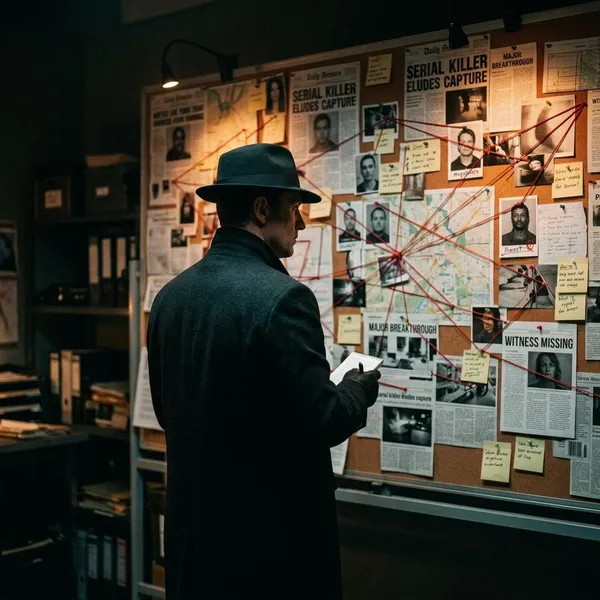
How the story develops across the seasons
The show starts with a simple hook: Raymond Reddington turns himself in and will only speak to Elizabeth Keen. From there, the weekly blacklisters keep the pace moving, while the larger story slowly shifts toward Red's past, Liz's identity, and the cost of secrets.
| Season range | Main function in the story | What to watch for |
|---|---|---|
| Seasons 1–2 | Builds the Red-Liz partnership | Trust, Tom Keen, the Cabal, Red's special interest in Liz |
| Seasons 3–4 | Turns the show into a deeper identity mystery | Liz's crisis, Katarina references, Alexander Kirk |
| Seasons 5–6 | Centers the suitcase secret | The bones, Ian Garvey, Sutton Ross, Red's real identity |
| Seasons 7–8 | Pushes family conflict into open confrontation | Katarina, Liz's choices, the breakdown of trust |
| Seasons 9–10 | Closes Red's final chapter | Legacy, aftermath, Red's ending |
Essential episodes for the main story
Not every episode carries the same weight. Some blacklisters are memorable because the case is clever; others matter because they reveal a truth, damage a relationship, or make an earlier scene mean something different. If you are short on time, prioritize premieres, finales, two-part episodes, and chapters tied to Red, Liz, Tom, Katarina, the Cabal, or the suitcase.
Pilot and Anslo Garrick for the early setup
The "Pilot" is mandatory because it gives you the premise and the central question in one move: why does Red surrender, and why does he demand Elizabeth Keen? Without that setup, the rest of the show loses its shape.
The two-part "Anslo Garrick" story is the first major stress test. It shows that Red's world is more dangerous than the FBI understands and that his connection to the task force is already more complicated than a simple informant deal.
Berlin and Tom Connolly for the Cabal arc
Berlin expands the show beyond isolated criminal cases. Red's past starts pushing into the present, and the series makes it clear that old enemies can threaten far more than one investigation.
"Tom Connolly" is the episode to treat as a turning point. It changes Liz's position in the story and pushes the series into a more serialized mode, where political power, personal secrets, and survival are tied together.
Cape May and Alexander Kirk for Red's past
"Cape May" is not important because it gives simple answers. It matters because it changes the emotional texture of Red's history, especially around grief, memory, and Katarina.
- Watch it slowly: this is an atmosphere-heavy episode, not a quick plot dump.
- Pair it with the Kirk arc: Kirk's claims force the family mystery into a more direct and uncomfortable place.
- Do not expect every clue to resolve immediately: the value is in how it reframes Red, not just in what it confirms.
Ian Garvey and Sutton Ross for the identity mystery
Garvey and Sutton Ross belong near the top of any mythology watch list because they are tied to the suitcase reveal. Once the show seriously questions who Red is, every choice he has made for Liz starts to carry a different possible meaning.
For a rewatcher, this is one of the richest stretches because earlier dialogue suddenly feels less casual. For a first-time viewer, the safest approach is simple: do not jump ahead to these episodes before the Red-Liz relationship has had time to develop.
Konets and the series finale for the endgame
"Konets" is essential because it closes one version of the show and sets the emotional terms for what follows. Whether a viewer likes the choices or not, skipping it would make the final seasons feel disconnected.
The series finale, "Raymond Reddington: Good Night," is more reflective than explosive. It focuses on Red's final movement through the world he shaped, rather than trying to turn the last hour into one more giant mythology puzzle.
How to watch The Blacklist in order
The best order is release order: season 1 through season 10. The reveals are built around what the audience knows at each stage, so jumping around can spoil major turns or make character choices feel sudden.

Follow the seasons in release order
Release order is the cleanest path because Red, Liz, Tom, the Cabal, Katarina, and the identity mystery are all revealed in layers. Watching famous episodes first, especially mythology-heavy ones, usually weakens the emotional payoff.
Watch multipart episodes together
Two-part stories should be watched close together. "Anslo Garrick" is the obvious early example, but the same logic applies whenever a finale and premiere function like one long event.
Avoid skipping mythology episodes
Some standalone cases can be skipped on a rewatch, but mythology episodes are risky to miss. A quiet conversation at the end of an otherwise normal case can explain why a character suddenly changes sides later.
- Keep episodes about Red's past. They often reframe earlier seasons.
- Keep episodes about Liz's family history. They drive the central mystery.
- Keep episodes involving Tom's double life. His story affects more than Liz's marriage.
- Keep Cabal and suitcase episodes. They carry long-term plot consequences.
Use recaps before returning after a break
If you stopped watching for months or years, read or watch a recap before continuing. The show uses aliases, old betrayals, and partial truths heavily enough that even a good memory can miss who knows what.
For a low-effort return, rewatch the last finale you saw and read a short season recap before starting the next season. If you are jumping back into seasons 5 through 8, refresh the suitcase, Katarina, Garvey, and Tom threads first; those are the places where confusion builds fastest.
Conclusion
The smartest way to approach The Blacklist is to watch in order, treat the mythology episodes as the backbone, and only become selective once you already know the full arc. Casual viewers can enjoy the blacklister cases, but anyone trying to follow Red and Liz's story should give extra attention to the episodes where trust breaks, family history changes, or the name Raymond Reddington starts to mean something less certain.