
The silo season 1 ending explained answer is simpler than the finale first makes it look: Juliette survives because her suit is finally sealed properly, not because the outside is secretly safe. The green world in her visor is fake, the toxic wasteland is real, and her refusal to clean breaks the ritual that has fooled the silo for years. Once she gets over the hill, the story stops being about one hidden bunker and becomes about a much larger system of silos.
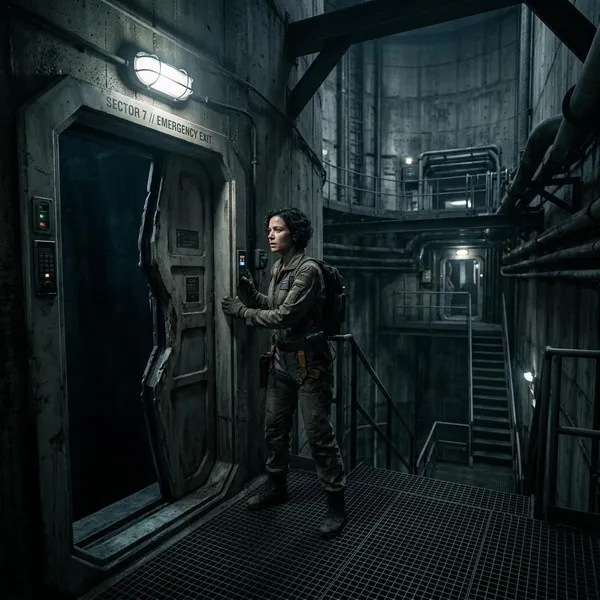
What happens in the Silo Season 1 finale?
The finale follows Juliette as she tries to turn private evidence into public proof. She wants the people in the silo to see the hard drive footage, Bernard shuts the attempt down, and her punishment is dressed up as the usual cleaning sentence.
- Juliette tries to show the hidden outside footage.
- Bernard blocks the broadcast and takes control of the situation.
- Walker helps arrange better tape for Juliette's suit.
- Juliette goes outside, refuses to clean, and keeps walking.
- She reaches the hill and sees many other silos.
Juliette tries to expose the hard drive footage
Juliette's plan is not just to watch the hard drive herself. She wants the silo to see the forbidden footage because private knowledge can be dismissed, hidden, or buried with one person. Public evidence is harder for Bernard to control.
Bernard stops the broadcast and captures her
Bernard cuts off the broadcast because he understands the real danger: not the footage by itself, but the questions it would trigger. If residents see that leadership has hidden one major truth, they may start doubting the rules, the Pact, the cleanings, and the history they have been taught.
This scene also strips away Bernard's harmless bureaucrat image. He is not simply a nervous mayor trying to keep order. He acts like someone protecting a system, and he moves quickly because Juliette has become too visible to ignore.
Walker arranges a last-minute tape swap
Walker's tape swap is the quiet move that changes the ending. Earlier comments about heat tape can seem like technical background, but the finale makes them crucial: the suits given to cleaners are not failing by accident.
Walker notices that the tape used for cleaning suits is treated strangely and appears weaker than it should be. That matters because a protective suit is only as reliable as its seals. One bad seam can make the whole suit useless outside.

Juliette steps outside and refuses to clean
When Juliette steps outside, her helmet shows her a bright, green landscape. That image is designed to create the same reaction previous cleaners had: shock, hope, and the urge to clean the camera so everyone inside can "see" what they think is the truth.
Juliette refuses because she has enough reason to distrust the performance. For someone watching the episode casually, this is the practical clue: cleaning is not proof that the cleaner has found paradise. It is proof that the visor image has manipulated them at the worst possible moment.
She crosses the hill and sees the other silos
Juliette keeps walking past the point where cleaners usually collapse. Once she crosses the hill, she sees that her silo is only one of many built across the ruined landscape.
Why is Juliette sent outside?
Juliette is sent outside because Bernard cannot safely leave her inside the silo. Officially, people are supposed to clean after asking to go outside. In Juliette's case, Bernard twists that rule into a public punishment while pretending the process is legitimate.
The key point is not that Juliette is merely rebellious. Plenty of people are unhappy inside the silo. Juliette is dangerous because she has evidence, technical understanding, allies, and the nerve to make the truth public.
Her investigation threatens Bernard's control
Juliette threatens Bernard because she connects scattered clues into a pattern. George's death, the hard drive, relics, hidden systems, and strange supply decisions stop looking like separate problems once she starts following the evidence.
That is a different kind of threat from ordinary anger. A frustrated resident can be punished or ignored; someone who can explain how the system is built can make other people less afraid to question it.
She uncovers the hidden surveillance system
The hidden surveillance system shows that the silo's leadership is not only strict but secretly watching private life. That discovery matters because it reveals how dissent is managed before it becomes public.
- Private conversations can be monitored.
- Potential allies can be identified early.
- Suspicion can be contained before it spreads.
For Bernard, Juliette knowing this is a serious problem. Once she sees the machinery behind control, she is harder to frighten with ordinary rules.
She tries to show the footage to the silo
Juliette's attempt to show the footage is the moment Bernard has to act. A secret file in one person's hands is manageable; a secret file seen by a crowd can turn into a crisis.
Bernard falsely claims she asked to leave
Bernard claims Juliette asked to go outside because the ritual needs the appearance of consent. If the silo believes she chose cleaning, then her exile looks like a rule being followed rather than a leader removing a threat.
The lie helps Bernard in two ways: it protects the image of the system, and it turns Juliette's death into another expected public event. He is not just trying to get rid of her; he is trying to make her removal look normal.
Why does Juliette survive outside?
Juliette survives because Supply replaces the usual faulty heat tape with better tape before she goes out. The stronger seal keeps her suit working long enough for her to resist the cleaning script and walk farther than anyone expects.
That does not mean the outside air is harmless. A common mistake is to read Juliette's survival as proof that the silo lied about everything. The sharper answer is that the silo told one truth and hid another: the world outside is dangerous, but the cleaning suits were also set up to fail.
The usual heat tape fails to seal the suits
The usual tape appears to be the weak point in the cleaning suits. A suit can look protective from the cafeteria camera, but if the seals fail, contaminated air can get in quickly.
Walker spots the weakness in the cleaning suits
Walker spots the problem because she pays attention to materials and maintenance, not just official explanations. In a world like Silo, that kind of practical knowledge matters as much as any secret file.
Her insight is useful for viewers too. If you are trying to track the finale's logic, do not treat the tape subplot as a side detail. It is the physical explanation for why Juliette's cleaning is different from Holston's and Allison's.
Supply replaces the tape before Juliette leaves
Supply's replacement of the tape gives Juliette a real chance. It is not a dramatic speech or a public rebellion, but it is exactly the sort of small, precise act that can beat a controlled system.
- Walker identifies the weakness.
- Supply gets better tape into the process.
- Juliette's suit seals properly enough to buy time.
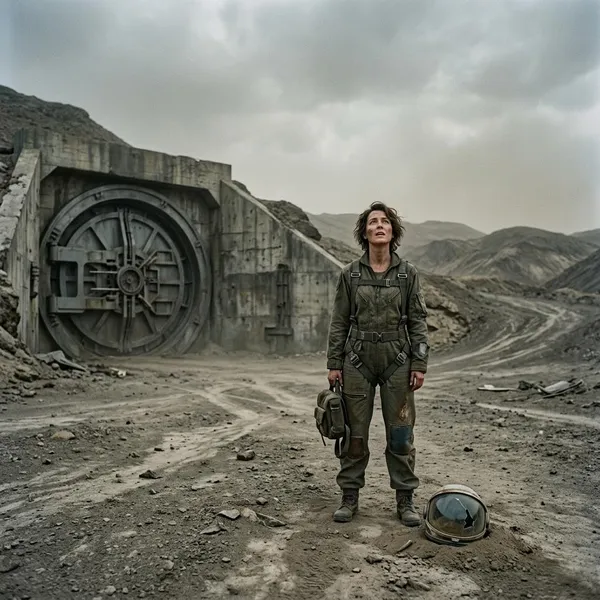
The stronger seal keeps the toxic air out
The better seal keeps the toxic air out long enough for Juliette to observe what is really happening. It does not make her invincible, and it does not tell us how long she can survive outside. It simply gives her more time than the ritual was designed to allow.
That extra time is everything. She can notice the false image, resist cleaning, pass the bodies, reach the hill, and see the other silos. Previous cleaners were pushed into a short emotional performance; Juliette gets enough time to think.
What does the Silo Season 1 ending mean?
The ending means the silo runs on selective truth. The outside really is deadly, but the leadership uses fake visuals, surveillance, censored history, and rigged cleanings to keep people obedient.
The cleaning ritual is built on manipulation
The cleaning ritual is staged to produce the same result again and again. The cleaner sees a beautiful false world, feels an urgent need to show it to the people inside, cleans the camera, and then dies before they can discover more.
That makes cleaning more than punishment. It is theater for the whole silo. The cleaner believes they are helping; the audience believes the death confirms the rules; leadership gets another public reminder that leaving is hopeless.
Knowledge is the greatest threat to the silo
Knowledge is dangerous in Silo because the society depends on people not knowing enough to compare the official story with reality. Relics are banned, records are restricted, and even curiosity can look suspicious.
Juliette is especially threatening because she is not satisfied with rumor. She checks systems, asks practical questions, and follows physical evidence. In a controlled world, that kind of thinking is harder to suppress than a single act of defiance.
Juliette becomes the first cleaner to break the pattern
Juliette breaks the pattern by refusing to clean and by surviving long enough to leave the usual frame of the ritual. Even if the residents inside do not understand exactly what she has learned, they can see that she does not behave like previous cleaners.
That visible refusal matters. A ritual only feels permanent when everyone repeats it. Once one person breaks the script in public, the whole performance becomes less certain.
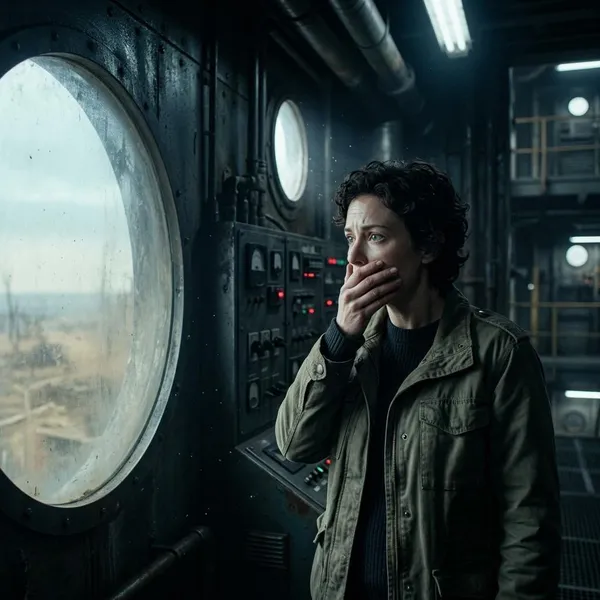
The story expands beyond one underground community
The field of silos shows that Juliette's home is part of a much larger design. Bernard may be powerful inside his own silo, but the final shot hints that he is not the full explanation.
This is the finale's best hook for the next part of the story. If one silo uses fake displays, secret surveillance, and controlled cleanings, the natural question is whether the others do too. Juliette escapes one version of the lie only to discover that the system may be much bigger than she imagined.
Conclusion
Juliette's survival is not a miracle and not proof that the outside is safe; it is the result of one hidden piece of sabotage finally being undone. The finale works because it answers the cleaning mystery while leaving the bigger question open: who built a world where truth has to be managed so carefully, across so many silos?