
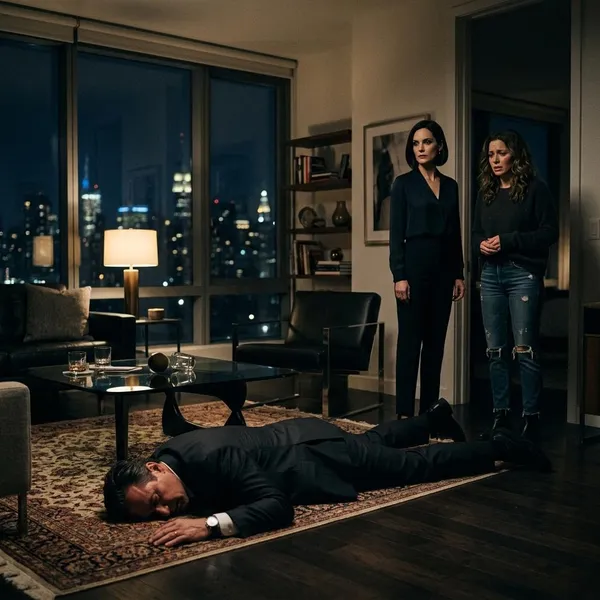
If you searched for the better sister ending explained, the clean answer is that Nicky killed Adam, but the finale does not treat it as a planned murder. She stabbed him during a violent struggle after confronting him about Chloe's abuse, and the rest of the ending is about why Chloe chooses to protect her instead of letting the official truth come out.
Who killed Adam in The Better Sister?
Nicky killed Adam. The important part is the context: she does it after Adam attacks her, not because she arrives with a careful plan to execute him.
For viewers trying to sort the finale quickly, the murder timeline matters more than the red herrings. Ethan's behavior, Chloe's secrecy, Bill's corruption, and Detective Guidry's pressure all make the case look bigger and messier than it is. The truth sits inside the family, and Adam's death is tied directly to the abuse and manipulation he had been hiding.
Nicky confronts Adam over Chloe's abuse
Nicky goes to Adam after learning what he has been doing to Chloe. That choice is emotional and reckless, but it is not framed as a murder setup. She is furious because Adam has hurt Chloe and because his lies have already damaged Nicky's own life for years.
This is the first point where the finale asks viewers to reconsider Nicky. If you spent earlier episodes wondering whether she was too unstable to trust, this scene flips that suspicion. Nicky may be impulsive, but her read on Adam is right.
Adam attacks and chokes Nicky
Adam escalates the confrontation by attacking Nicky and choking her. That detail is not just a violent beat in the scene; it confirms that his control was never only emotional or social. When challenged, he becomes physically dangerous.
That is why the stabbing cannot be read the same way as a cold-blooded killing. Nicky is being overpowered, and the danger is immediate. If a viewer is trying to decide whether the finale wants Adam's death to feel like revenge or self-defense, the choking is the key detail to check first.
Nicky stabs him in self-defense
Nicky stabs Adam to stop the attack. The show presents the moment as panicked, fast, and ugly, not as a triumphant act of revenge.
- Not premeditated: she comes to confront him, not stage a killing.
- Triggered by danger: Adam is choking her when the situation turns fatal.
- Morally messy: she causes his death, but the scene is built around survival.
Adam is still alive when she leaves
Adam is still alive when Nicky leaves, which makes the scene feel more like a shocked escape than a completed murder plan. She does not stay to make sure he dies or carefully manage the aftermath.
For anyone confused by the sequence, the practical order is simple: Nicky confronts him, Adam attacks her, she stabs him, she flees while he is still breathing, and he later dies from the wound. That timeline is the main reason Chloe can see Nicky as a survivor rather than simply as Adam's killer.
Why does Chloe protect Nicky?
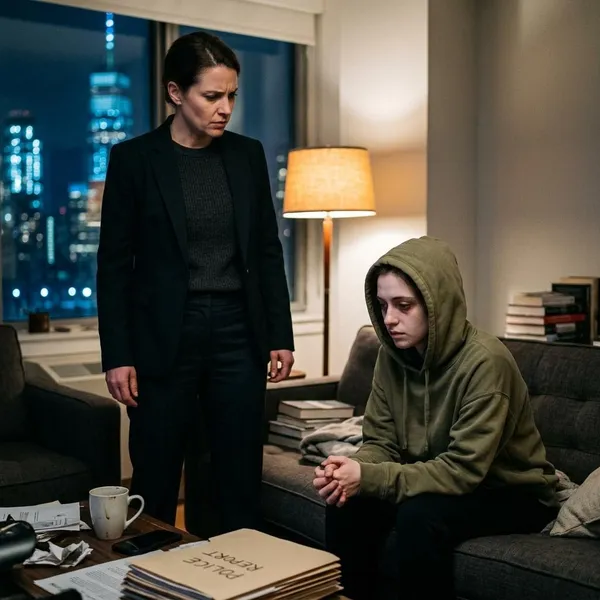
Chloe protects Nicky because she finally understands that Adam abused both of them and used their separation to keep control. Once Chloe sees the full pattern, turning Nicky in would feel less like justice and more like letting Adam's version of the story win again.
The decision is loving, but it is not clean. Chloe is choosing her sister over the legal truth, and the finale knows that choice should feel both satisfying and uncomfortable.
Adam abused both sisters
Adam's abuse takes different forms with each sister. Chloe experiences his violence inside the marriage, while Nicky is damaged through manipulation, custody lies, and the destruction of her credibility.
The most important past detail is that Adam drugged Nicky and used the near-drowning incident to make her look like an alcoholic and an unfit mother. If Chloe once believed Adam because he seemed respectable and Nicky seemed chaotic, that revelation breaks the whole story open.
Nicky acted to protect Chloe
Chloe knows Nicky went to Adam because Chloe was in danger. That matters because Nicky's motive was not money, jealousy, or revenge in the simple sense. She was trying to stop the man hurting her sister.
This gives Chloe a painful choice: cooperate with the law and risk Nicky being defined by Adam's final lie, or protect the person who finally acted when Adam's abuse could no longer be ignored. The finale pushes her toward the second option.
Chloe regrets believing Adam's lies
Chloe's regret is one of the quiet engines of the ending. She realizes Adam did not just deceive her about one event; he shaped her entire view of Nicky.
- She believed the wrong person: Adam used status and charm to look reliable.
- She misread Nicky: what looked like instability was also the result of manipulation.
- She chooses differently now: protecting Nicky becomes a way to stop repeating Adam's betrayal.
That does not make the cover-up innocent. It does make Chloe's choice emotionally understandable, especially for viewers who read the ending as a story about surviving abuse rather than solving a case neatly.
How do Chloe and Nicky cover up the murder?
Chloe and Nicky cover up Adam's death by shifting the case toward Bill and damaging Detective Guidry's authority. The plan works because they do not have to create suspicion from nothing. Bill already looks corrupt, and the investigation is already vulnerable.
This is where the finale becomes less about finding the killer and more about controlling the story. If you came away thinking Bill was the real murderer, that is exactly the false version the sisters need the world inside the show to accept.
Chloe plants the knife in Bill's office
Chloe plants the knife in Bill's office to give the police a physical reason to look away from Nicky. It is the most direct and risky part of the cover-up.
The knife matters because suspicion alone is fragile. A planted weapon gives investigators a cleaner story, especially when the person being framed already has enough darkness around him to make the accusation feel believable.
Bill's crimes make him a believable suspect
Bill is not innocent in a broader moral sense, even though he did not kill Adam. His corruption makes him the kind of person people can imagine being guilty of something worse.
That is the sisters' calculation. A random person would be a weak frame, but Bill already fits the ugly world Adam belonged to: influence, secrets, intimidation, and men protecting themselves. The lie sticks because it is built beside several truths.
Nicky exposes Detective Guidry's misconduct
Nicky also helps expose Detective Guidry's misconduct, which weakens the person most likely to keep pushing past the convenient answer. Once Guidry's credibility is damaged, the investigation loses momentum.
That move is practical as well as thematic. The finale has already shown that official systems are not clean, so the sisters survive by turning those weaknesses back on the case. It does not make their actions legally right, but it explains why they do not trust a straight confession to protect Nicky fairly.
What does The Better Sister ending mean?
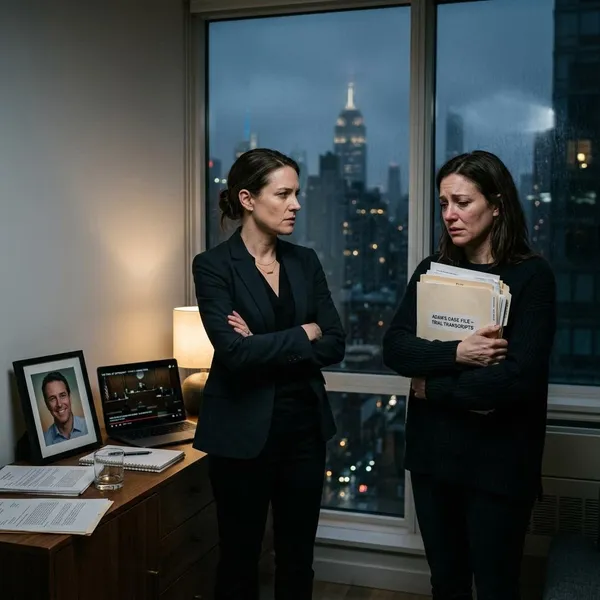
The ending means Chloe and Nicky break Adam's control, but they do it through a secret rather than through open justice. Adam is dead, Bill becomes the official answer, Guidry is compromised, and the family gets a chance to rebuild. None of that erases the lie at the center of their new peace.
The finale works best if you do not treat it as a clean victory. It is closer to a survival ending: the sisters escape Adam's grip, but the cost is a shared secret that could still damage them later.
Sisterhood breaks Adam's control
Adam kept Chloe and Nicky apart because their distrust protected him. Once they believe each other, his power over the family starts to collapse.
That is the emotional release of the finale. Chloe stops seeing Nicky through Adam's version of events, and Nicky is no longer completely isolated. For Ethan, that creates the possibility of knowing both women outside the false story Adam built around him.
Survival matters more than legal justice
The finale clearly chooses survival over legal justice. Nicky is not exposed as Adam's killer, Chloe is not punished for planting evidence, and Bill is blamed for a murder he did not commit.
Whether that feels satisfying depends on what kind of viewer you are. If you are focused on Adam's abuse and the system's failures, the ending may feel like the only protection the sisters can realistically claim. If you are focused on the false accusation, the ending should feel troubling. The show leaves room for both reactions.
The family reunites through a shared secret
Chloe, Nicky, and Ethan end closer than they began, but their reunion is built on concealment. That makes the final family image warmer than expected and less stable than it first appears.
Jake's final scene adds that unease. It suggests the truth may not be completely buried, even if the official case has moved in another direction. For the sisters, the future is better than Adam's world, but it is not free of consequences.
Conclusion
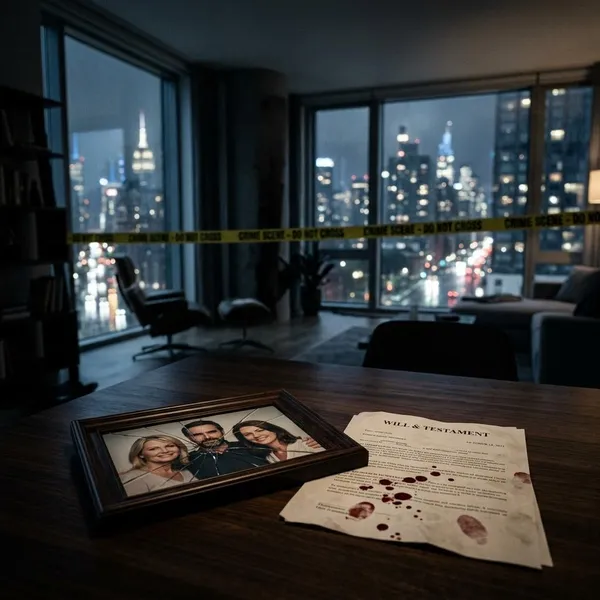
Nicky killed Adam while defending herself, and Chloe protects her because Adam's abuse had already twisted the family's truth for years. The ending is not asking viewers to pretend the cover-up is morally clean; it is showing two sisters choosing survival, loyalty, and Ethan's future over a legal outcome they no longer trust to be fair.